
National Kitchen Garden Awards Closing Soon: A Great Opportunity for Schools and Early Learning Centres
There is still time for Australian schools and early childhood services to enter the National

Kitchen Garden Awards, with applications closing on Friday 7 August 2026 at midnight. The awards are open nationwide and offer schools the chance to win one of nine prize packs valued at almost $5,000 each. The awards are run by the Stephanie Alexander Kitchen Garden Foundation and are returning for another year, with 2026 entries closing on 7 August.
For schools already running a kitchen garden, sustainability program, aquaponics system, hydroponics project, composting initiative or outdoor learning space, this is a strong opportunity to showcase the work your students and school community are already doing.
The awards are looking for stories that demonstrate the joy, learning and community impact of kitchen gardening. That means your entry does not need to be complicated. It simply needs to show how your school garden is helping students learn, grow, cook, connect and understand where food comes from.
Why Schools Should Apply Now
The National Kitchen Garden Awards are not limited to schools already involved in the Kitchen Garden Program. According to the award information, schools and early childhood services do not need to be members of the Kitchen Garden Program to apply.
That makes this a useful opportunity for a wide range of schools, including those with:
School vegetable gardens
Kitchen garden programs
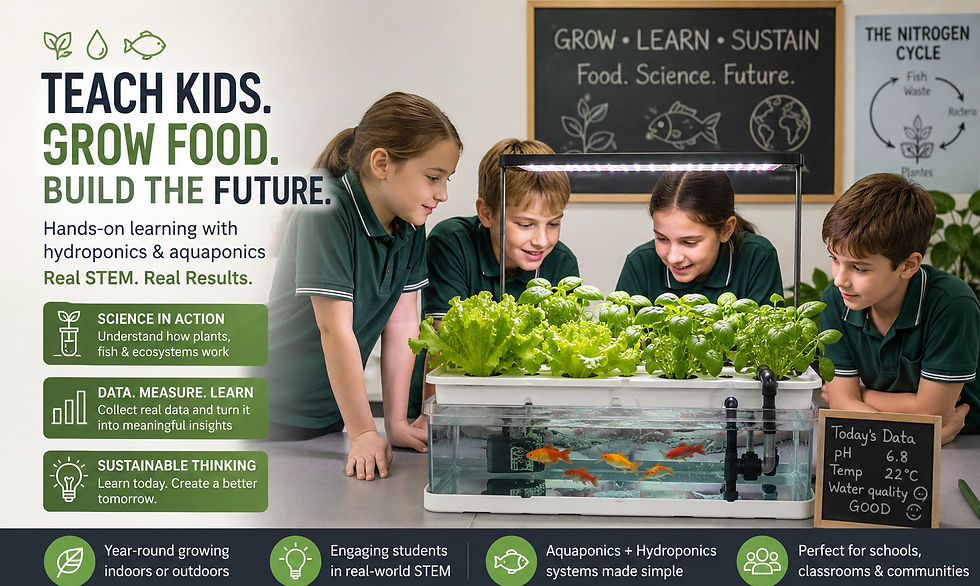
Aquaponics systems
Hydroponics systems
Composting or worm farm projects
STEM garden projects
Sustainability programs
Outdoor learning spaces
Healthy eating initiatives
Community garden projects
Student-led food projects
The application process is designed to be quick and easy, which makes this a practical funding-style opportunity for teachers, sustainability coordinators, garden specialists, parent associations and early learning teams who may not have time to prepare a lengthy grant submission.
What Schools Could Win
Each of the nine category winners will receive a prize pack valued at almost $5,000.
The prize pack includes:
Kitchen Garden Program membership
Cash grant
Wicking bed
Gardening equipment
Essential ingredients
Additional kitchen garden resources
For many schools, this type of prize pack could help expand an existing garden program, add new infrastructure, support food education, strengthen STEM learning or help bring more students into the kitchen garden space.
Enter More Than One Category
One of the best ways to improve your chances is to enter multiple categories.
There are categories suitable for different types of school garden projects, including:
STEM
Sustainability
Wellbeing
Art
Community engagement
Food education
Student projects
Recipes
Garden stories
This matters because a school garden is rarely just one thing. A good kitchen garden can support science, sustainability, design, wellbeing, food literacy, maths, teamwork, cultural learning and community connection.
If your school has several strong stories, do not limit yourself to one entry.
Submit More Than One Entry
Schools can also submit more than one entry per category.
That means if you have multiple recipes, student projects, garden improvements, community events or sustainability initiatives, you can enter them separately.
For example, your school might submit:
A student-grown recipe
A composting project
A hydroponics or aquaponics learning activity
A garden-to-plate cooking experience
A community working bee
A sustainability project
A wellbeing garden story
A STEM investigation using plant growth or water quality
This gives your school more opportunities to be recognised.
Parent Associations Can Nominate Too
Another useful point is that parent associations can nominate on behalf of a school.
This is worth noting because many school garden projects are supported by parents, volunteers, P&F groups, community members and local supporters. If teachers are busy, a parent group may be able to help pull together the story, photos and supporting information needed for the entry.
Enter Again If You Have Applied Before
Schools that have entered in previous years can apply again.
In fact, updated stories can be strong entries. If your school garden has grown, changed, improved or created new student outcomes since your last application, that progress is worth sharing.
You might now have:
More student involvement
New garden beds
A new aquaponics or hydroponics system
Improved food education outcomes
New recipes
Better composting systems
Community partnerships
A stronger sustainability program
New classroom links
The awards are looking for real stories. Progress matters.
How Kitchen Gardens Support STEM and Sustainability
A school kitchen garden can be much more than an outdoor activity.
When planned well, it can become a practical learning environment for science, sustainability, food systems and student wellbeing.
Students can explore:
Plant growth
Soil health
Water use
Food production
Composting
Nutrient cycling
Ecosystems
Healthy eating
Measurement and data collection
Cooking and food preparation
Waste reduction
Community responsibility
Aquaponics and hydroponics can also strengthen a kitchen garden program by giving students a clear way to observe water-based food production, nutrient management, plant growth, pH, water quality, system design and sustainable growing.
That is why kitchen garden awards, school garden grants and sustainability funding opportunities are so relevant for schools wanting to build long-term hands-on learning programs.
How Urban Green Farms Can Help Schools
Urban Green Farms supports Australian schools with school garden systems, aquaponics systems, hydroponics systems, STEM sustainability projects, teacher resources and grant-ready project support. UGF’s own school grant content highlights support with complete gardening and STEM systems, pre-filled grant templates and school project planning.
For schools entering the National Kitchen Garden Awards, Urban Green Farms can help with:
School garden project ideas
Aquaponics and hydroponics system recommendations
STEM and sustainability project pathways
Grant-ready quotes
Supporting product information
Teacher resources
Project descriptions
Future garden expansion planning
Even if your school is applying for an award now, it is worth thinking about the next stage. If you win, what will you build? If you do not win, what other grants or funding opportunities could support your garden program?
Urban Green Farms can help schools turn a kitchen garden idea into a practical project plan.
Need a Strong Project Idea Before Applications Close?
If your school already has a garden, now is the time to tell the story.
If your school is still building the project, you can use this opportunity to frame what you are creating and what the next stage could look like.
Strong project ideas include:
A kitchen garden expansion
A student-led vegetable growing project
A school aquaponics system
A classroom hydroponics project
A composting and food waste reduction program
A garden-to-plate cooking program
A STEM sustainability garden
A wellbeing garden space
A community garden partnership
The best entries are usually clear, specific and student-focused. Show what the students did, what they learned and how the garden has impacted the school community.
Applications Close Friday 7 August
The National Kitchen Garden Awards close on Friday 7 August 2026 at midnight.
Schools and early childhood services should apply now rather than leaving it until the last minute.
If your school needs support planning a garden, aquaponics, hydroponics or STEM sustainability project, Urban Green Farms can help with practical recommendations and supporting documentation.
Call to Action
Planning a school garden, aquaponics, hydroponics or STEM sustainability project?
Urban Green Farms can help your school choose the right system, prepare a grant-ready quote and build a stronger project pathway. info@urbangreenfarms.com.au


장시간 앉아서 일하는 생활을 반복하다 보니 몸이 쉽게 굳는 느낌이었는데 관리 후 한결 편안해졌습니다. 수원출장마사지 이동 부담이 없고 익숙한 공간에서 받을 수 있어 편안한 분위기를 유지하기 좋았습니다. 뭉친 어깨와 등 주변을 중심으로 관리받으니 긴장이 줄어드는 느낌이 들었고, 업무 후 휴식과 피로 관리에 유용하게 활용할 수 있었습니다.
These projects are always fun to follow. https://geometrydashspam.com/
Friday Night Funkin is an interconnected rhythm game that brings together music, timing, creativity, and an active community of players and mod creators. The game challenges players to match musical notes while introducing them to countless fan-made stories and characters that connect through an ever-growing network of creative content.
I played Block Blast while my portable air purifier completed its filter calibration. The indicator light changed before I looked up.